- ABOUT US
- INVESTMENT FUND
- PARTNERSHIP SERVICES
- IMPACT INITIATIVES
-
SPACES
- HONG KONG
- Co-working space
- Event Space
- Prototyping Lab
- LONDON
- Co-working space
- Event Space
-
FABRICA X
- HONG KONG
- Campaign
- Events
- Online Store
- LONDON
- Exhibition
- Retail
- Subscribe

New regulations catalyse demand for food waste management solutions
While solutions to food waste have already been in practice for years, there has not been enough incentives for consumers and producers to implement them at scale.
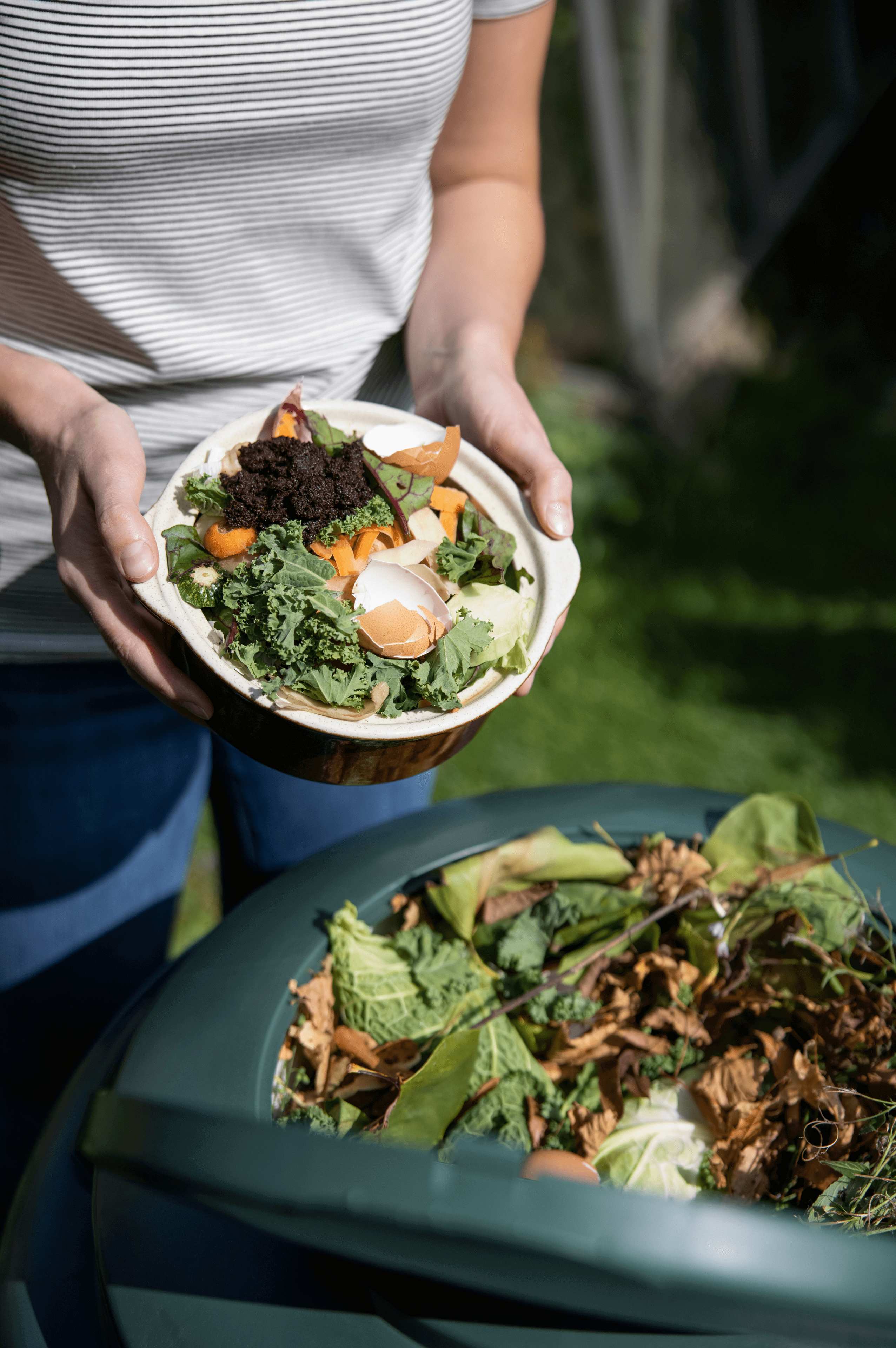
This may change with new compost laws coming into effect. As of 2022, California’s Senate Bill 1383 requires all businesses and individuals to separate food waste and dispose it in destinated green bins for proper composting. This mandate is expected to open up more opportunities in the area of food waste management and upcycling.
For instance, food rescue platform Goodr uses blockchain technology to match grocery retailers and food producers with surplus food waste to food charities, while allowing companies to track and quantify food donations and environmental impacts respectively.
Meanwhile, other companies are working towards eliminating potential food waste. Afresh develops an AI system that allows grocery providers to better predict demand and monitor fresh food supply and inventory. In addition to digital platforms, Indian startup GreenPod Labs is using plant phenolic compounds to develop a nano-tech active packaging that can extend shelf life while retaining quality of fresh produce.
While the above examples focus on tackling pre-consumer food waste, it is just as important to address post-consumer food waste. Traditionally, these two types of food wastes have to be separated before they can be recycled. Nowadays, new food waste recycling technologies are making the collection process easier. O.PARK1, an organic resources recovery center in Hong Kong, is able to crush and mix both types of food waste in a plant and convert them into biogas (to be used as biofuel) through anaerobic digestion. Another Hong Kong-based company ORCA came up with a solution to break down food waste into a liquid that can go down the drain safely with the use of oxygen and microorganisms.

Trend in Material Tech
Adaptation of bio-based textile to replace animal-based materials
Over the past decades, the increased awareness in sustainability and animal welfare has further accelerated the growth of sustainable materials in the fashion industry. Consumers’ demand for animal-free products has incentivized luxury brands such as Kering to take initiatives to go entirely fur-free. The Group has decided to stop using animal fur starting from its Fall 2022 collections.
Leather alternatives are expected to dominate the bio-based textile market. For instance, Hermès is working with Mycoworks to develop a fine mycelium-based bag. Mercedes-Benz, on the other hand, is debuting its latest electric vehicle concept car that features mycelium-based leather from Bolt Threads and bio-based silk from AMSilk.
With notable brands investing in and collaborating with these startups, the bio-based material sector will continue to grow in the near term.
(Image source: Bolt Threads Mylo exhibition at Fabrica X London)
Brands taking ESG initiatives through partnerships
Recently, brands have been making commitments and are progressively incorporating sustainable technologies into their long term ESG goals.
In order to sequester carbon and emissions, big brands such as Chanel and L’Oreal are working with PUR Projet on carbon insetting projects, where they will offset portion of their carbon emission through agroforestry initiatives within their own supply chains.
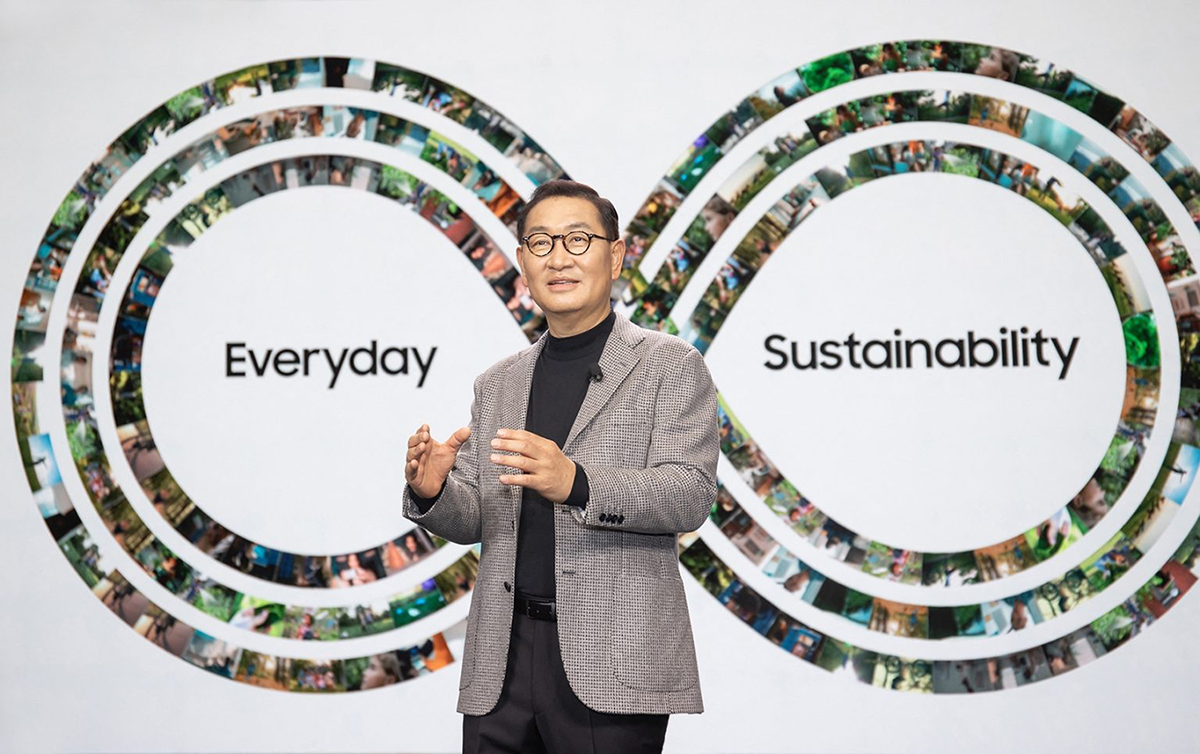
Samsung is joining force with Patagonia to address the microplastic issue and its impact on the ocean environment. H&M and Lululemon are collaborating with textile recycling companies, Renewcell and Genomatica respectively, to formulate long-term sustainability strategies, with a target to achieve circularity by 2030.
Renewcell has been particularly active in this aspect. Besides, its partnership with H&M, the company has been working with Levi’s to create a pair of recyclable 501 Original jeans from post-consumer recycled denim. The jeans are expected to be launched in early 2022. The Mills Fabrica is delighted to see our exited portfolio making such great process with brands to drive sustainability.
(Image source: Samsung)