- ABOUT US
- EVENTS
- INVESTMENT FUND
- PARTNERSHIP SERVICES
- IMPACT INITIATIVES
-
SPACES
- HONG KONG
- Co-working space
- Event Space
- Prototyping Lab
- LONDON
- Co-working space
- Event Space
-
FABRICA X
- HONG KONG
- Campaign
- Online Store
- LONDON
- Exhibition
- Retail
- Subscribe

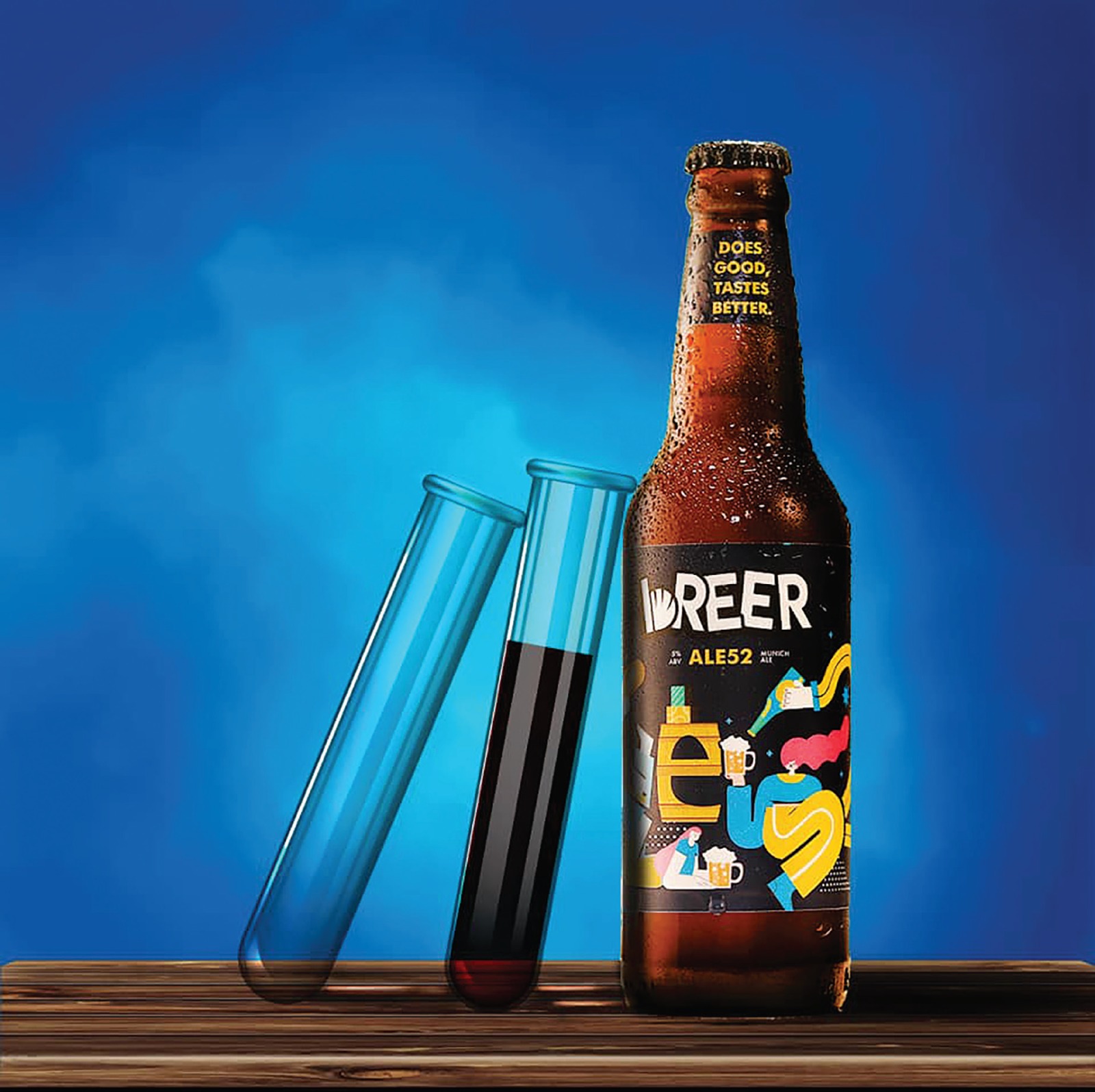
Breer Recycling Bread To Make Beer
Anushka Purohit, one of the founders of the social enterprise startup Breer, estimates that more than 3,000 metric tons of food waste is discarded every day in Hong Kong, and that nearly half of that is perfectly edible bread that is about to expire. After noticing bakeries tossing unsold but still fresh bread into black trash bags every day, she and three students from the Hong Kong University of Science and Technology began to think about ways to rescue the bread. Soon, they discovered that the raw materials of bread and beer were similar, and so they came up with the idea of brewing beer from bread. When this proved successful, they created a craft beer company called Breer. In addition to running a business, they hope the company can contribute to reducing food waste.
What beer and bread have in common is that both contain barley malt, hops and yeast. The barley content of beer is generally 78%, which can be completely substituted with recycled bread. At the beginning, the Breer team didn’t know anything about brewing beer, but simply tried brewing it in their home kitchen, swapping barley for bread in the recipe and experimenting with different ratios of bread. Later, they took an online course to teach themselves brewing, and it took 3 to 4 months of trial and error before they finally succeeded in making beer. They participated in the Hong Kong region edition of the social innovation competition Enactus and won a prize with their product. After obtaining their startup capital, they sought cooperation with various local breweries, which further assisted them in improving their beer-making formula.
(Image Courtesy: Breer)
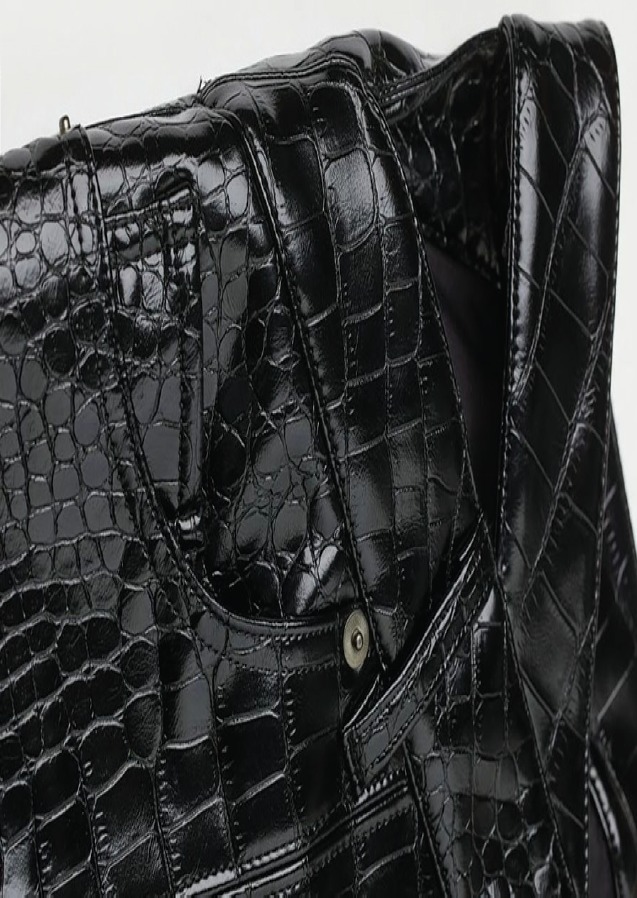
Vegeatextile From Grape To Leather
Vegea is a biomaterials startup company founded in 2016 in Milan. For the past few years, it has been dedicated to developing new eco-sustainable products that promote the integration between chemistry and agriculture. Its specialty is plant-based and even “food residue” products that substitute for non-renewable petroleum-based resources, and can be made into clothing, furniture, packaging, and automotive components. Vegea is already cooperating with various well-known brands, the most notable of which is its collaboration with H&M, which uses by-products of wine-making, such as grape skins, stalks and seeds discarded during wine production, and turns them into vegetal leather that are made into handbags and shoes. Furthermore, this vegan leather features a new dyeing process for fabrics that uses recycled polyester and waste coffee grounds.
(Image Courtesy: Vegea)
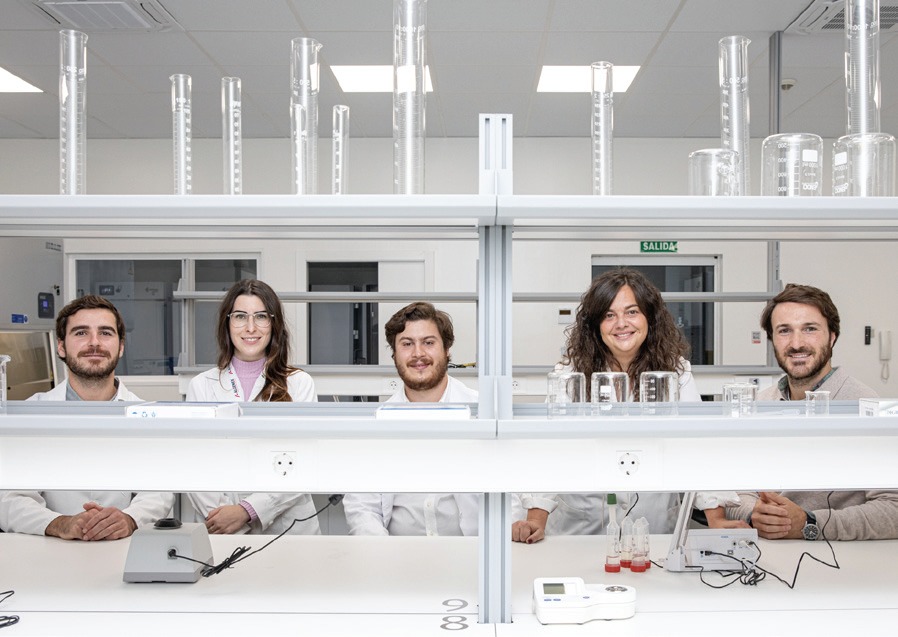
MOA Foodtech From Food Waste To Animal-Free Alternatives
(Image Courtesy: MOA)
S. Café Turning Coffee Grounds Into Yarn
In addition to being utilized as deodorizer and fertilizer, what else can coffee grounds be used for? In 2008, Taiwan textile industry company SINGTEX Group developed a technology that turns coffee grounds into yarn, named S. Café. When we drink coffee, we only make use of 0.2% of the oils present in coffee beans, and we discard the other 99.8%. SINGTEX employs a low-temperature, high-pressure and energy saving process that transforms the 99.8% portion of coffee beans into yarn, thus harnessing coffee’s natural odor-absorbing, quick drying and UV reflecting properties. S. Café technology extracts the oils from coffee beans and turns it into breathable coffee membrane and coffee foam, which can reduce the use of petrochemical raw materials by more than 25%. On average, the company re-converts 10 tons of coffee grounds into resources every month, and so far, 1,200 tons of coffee grounds have been turned into resources.
(Image Courtesy: S. Café)
Tômtex From Chitin To Leather Alternative
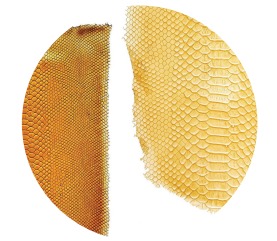
Tômtex is a 100% bio-based material using seashell waste, mushroom and co ee grounds as its key ingredients. The aim of the company is to replace both faux and animal leather with sustainable and economical substitutes. The Grand Prize winner of The Mills Fabrica “Techstyle For Social Good 2020”, International Student Online Competition Tômtex makes a 100% naturally degradable material, free of plastic and polylactic acid (PLA). It is a leather alternative created by Vietnamese designer Uyen Tran during the 2020 Bio Design Challenge, an innovative design competition, by utilizing food waste. She realized that clothes made of chemical fibers are difficult to decompose, so she started to look for alternative materials. In the process, she discovered that chitin found in food waste from seafood, such as shrimp shells, crab shells and fish scales is soft and tough, and can be made into leather that is pliant and easy to sew. When Tômtex reaches the end of its life, it can be reused or biodegraded. When it finally enters landfills, it can be completely biodegraded within a few months and become fertilizer for plants, thereby extracting the most value out of it.
(Image Courtesy: Tômtex)