- ABOUT US
- INVESTMENT FUND
- PARTNERSHIP SERVICES
- IMPACT INITIATIVES
-
SPACES
- HONG KONG
- Co-working space
- Event Space
- Prototyping Lab
- LONDON
- Co-working space
- Event Space
-
FABRICA X
- HONG KONG
- Campaign
- Events
- Online Store
- LONDON
- Exhibition
- Retail
- Subscribe

Home Entertainment
Netflix and Amazon Prime have allowed anyone to have a personal theatre at home. These platforms primarily serve millennials, as younger generations prefer lighthearted short-form videos on Snapchat and TikTok. TechCrunch reported that in November 2020, TikTok reached 1.3 billion users, with 32.5% of them being Gen-Z. The company is developing an Instagram-like e-commerce feature targeting Gen-Z users, competing head-to-head with the social media giant Facebook.
A newcomer in the short-form video realm is on-demand videos. Cameo is a US-based tech company that develops a platform where users can 'book' a star to craft personalised video messages for occasions like birthdays, anniversaries or even wedding proposals. From The Ghost Buster star Ernie Hudson, jazz musician Kenny G. to Miss Piggy from The Muppet Show, the platform allows you to choose from over 7,000 stars. As most entertainment venues were closed during the lockdown, Cameo provides another source of income for entertainers who were affected by the lockdown rules as well as a new way to interact.
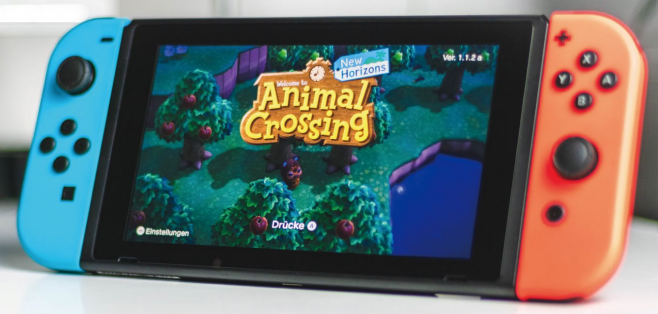
The video game industry has also thrived during the pandemic. As of December 2020, Nintendo has sold nearly 80 million units of Switch console. Its SimCity-like game Animal Crossing: New Horizon has provided a virtual space for gamers to escape from reality by allowing them to build up their islands and make new friends online.
Twitch, a video game live streaming platform acquired by Amazon in 2014, has leveraged the industry's soaring growth. Its active streamers have grown from 3 million to a whopping 9 million in 2020, while its live-streaming audience is 1.5 times bigger than that of YouTube. The platform is recruiting more partners and streamers to provide different types of content to its viewers — from football matches, live DJing to online classes — it may be another video streaming giant that we will keep our eyes on.
Fitness and Wellbeing
The pandemic has led to an increased awareness towards healthier living. However, most gyms and sports centres have been forced to close during lockdowns, leaving home fitness the only way to keep us active. Home fitness is not something new — Jane Fonda had her Workout VHS tapes back in the 80s, while Korean personality Jung Da-Yeon created a cardio dance phenomenon in the early 2010s. However, digitalisation has accelerated innovation within home fitness, making it smarter, more interactive and accessible to everyone.
According to the World Economic Forum, the users of fitness apps worldwide increased by 46% in 2020, with users in India and the Middle East contributing the most to the surging demand. Meanwhile, Deloitte's survey shows that 42% of consumers use technology to measure their fitness goals, which has increased by 50% compared to 2015.
In the smartphone era, fitness apps help users to easily keep track of fitness goals. Freelectics, a tech company founded in Munich in 2013, is one of the most downloaded fitness apps with over 50 million users, while 0.6 million of which are paid users. Its AI-powered 'coach' designs personalised training plans, gives advice on users' diet, and provides 'clean eating' recipes. When 'I don't have time' is one of the most common excuses for not exercising, fitness apps suggest a mobile and flexible model that encourages people to be active anywhere, anytime.
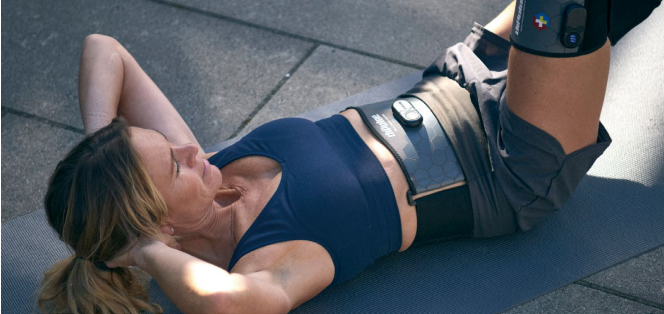
Surveys discovered that consumers spent more on fitness equipment during the pandemic (McKinsey and Adobe). Today's fitness equipment is more than just dumbbells or treadmills, as innovative startups have been revolutionising sports gear into smart wearables. For example, diPulse is a range of washable and wireless sportswear with built-in sensors developed by Fabrica incubatee, NMES Group. Together with its proprietary app, it helps users monitor real-time heart rate, build up muscle endurance and reduce post-exercise fatigue without an actual fitness trainer next to them, redefining the future of the fitness industry.
Healthcare
During the pandemic, patients have been concerned about the risk associated with visiting hospitals or clinics. While many have chosen to postpone doctor’s appointments, a medical expert interviewed by Johnson and Johnson was worried that delayed medical care could eventually lead to a secondary impact on our healthcare system.
Deloitte’s survey found out that over 40% of consumers feel more comfortable performing blood tests or viral tests at home over paying a visit to the hospital, believing that home tests reduce the risk of Covid-19 exposure in the hospital while also reducing strain on healthcare workers. To facilitate this, the healthcare industry has started using teleconferencing to perform medical care. Kry is a Swedish startup that provides digitalised healthcare services to local insurees. From making an appointment, attending virtual meetings with the physician, to getting a prescription, patients can access all these services through its mobile app without a visit to the hospital unless the physician requests a physical follow-up meeting.
In thinking about health, mental health should not be overlooked. According to the survey conducted by KFF, a US-based healthcare NGO, in January 2021, 41.1% of interviewees reported experiencing symptoms of anxiety during the lockdown, with 22% having had suicidal thoughts. While demand for mental health support has been surging, 60% of mental health practices were forced to close during the lockdown, posing a chronic mental health crisis across the world.
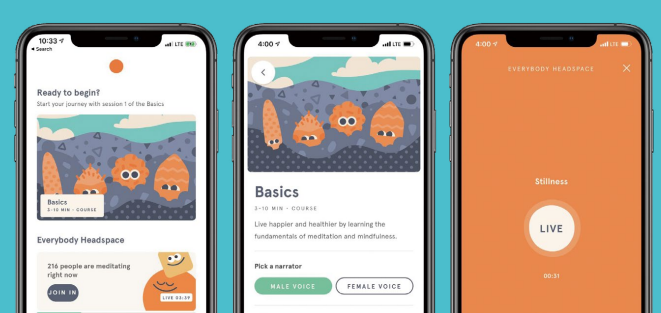
In light of the situation, Doctor on Demand, a US-based company that provides telemedicine services, started to offer its users free mental health assessments, while connecting them to psychiatrists and therapists. Patients can also engage in the services of a licensed therapist remotely through Teletherapy platforms like Talkspace and Betterhelp. As more people start to embrace the importance of mental wellness, the meditation app Calm saw record-breaking sales of 7 million USD in July 2020, while another leading mindfulness app Headspace hit 2 million paid subscribers last year.
The Covid-19 lockdown is one of the longest in history, but it is also an opportunity for innovators to unleash their trailblazing creativity to help us live healthier lifestyles and rebuild a better world.