- ABOUT US
- EVENTS
- INVESTMENT FUND
- PARTNERSHIP SERVICES
- IMPACT INITIATIVES
-
SPACES
- HONG KONG
- Co-working space
- Event Space
- Prototyping Lab
- LONDON
- Co-working space
- Event Space
-
FABRICA X
- HONG KONG
- Campaign
- Online Store
- LONDON
- Exhibition
- Retail
- Subscribe

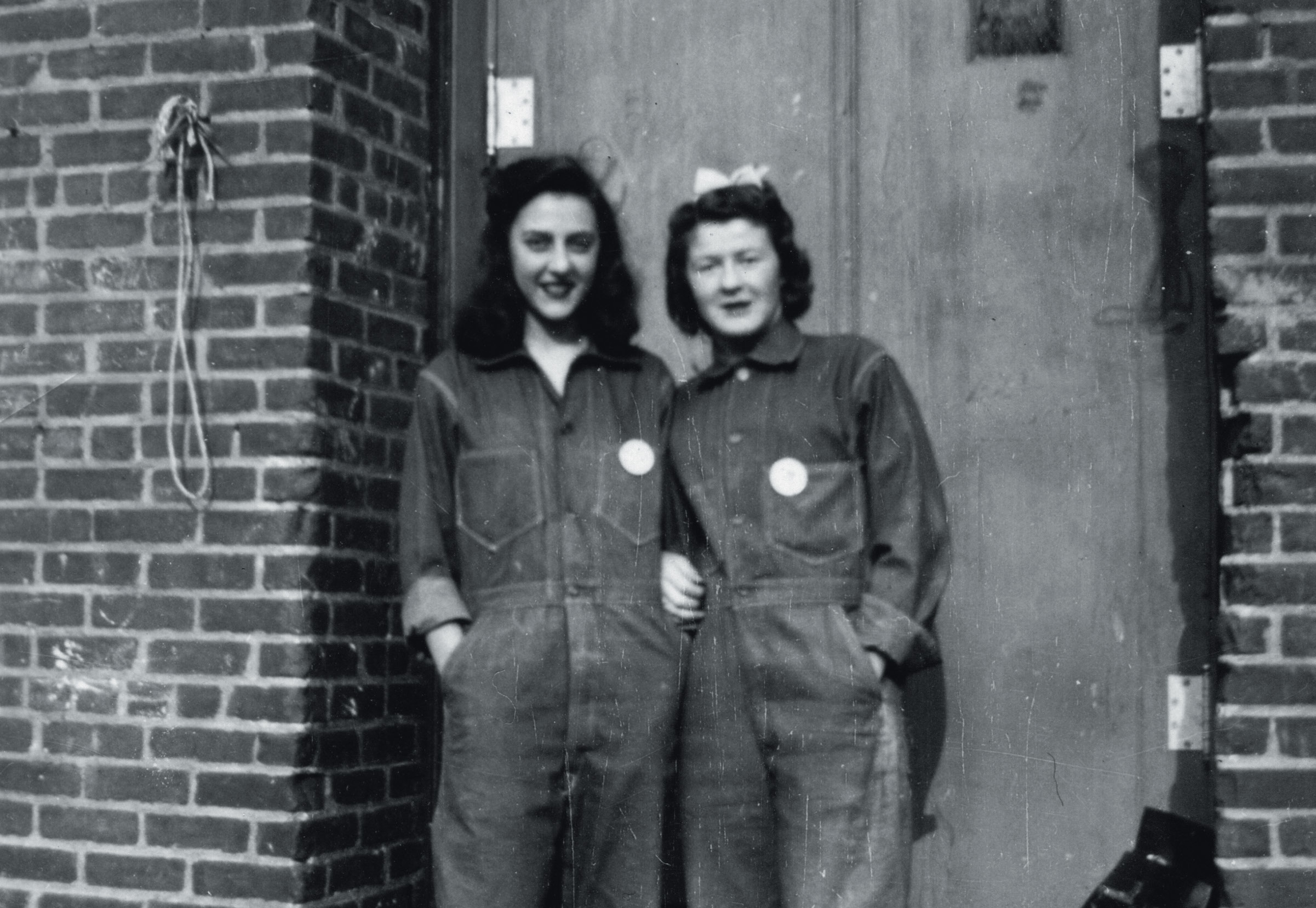
Image Courtesy: Shutterstock
Denim has always been closely related to youth culture across generations. From cowboy scenes in Western films made in the 1940s to the overwhelmingly popular Levi’s jeans on Hollywood bad boy figures like James Dean and Marlon Brando in the 1950s, jeans became a fashion symbol of rebellion and was even temporarily banned from some American public schools. However, they returned in full force and were completely normalized by the 70s with the hippie movement, punk, and hip-hop culture. Denim has always been and continues to be a part of the youth and popular culture.
Jeans were also agents that transcended gender and race. Before there were jeans, long skirts and dresses were the norm in women’s clothing in Western society. In the late nineteenth century, women could only borrow from their husbands or brothers for the practicality and durability of the fabrics with copper rivets to hold them together. They would adopt these jeans to ride horses, work on farms and other physically demanding activities.
Though the first pair of jeans tailored for females, “Lady Levi’s”, was created in 1934, it was not until Marilyn Monroe put on a pair of jeans in River of No Return, a film in 1952, that women’s pants would begin to be a part of mainstream fashion.
Blue jeans also served as a political symbol during the demand for voting rights for the African American community in the US in the 1960s. Denim jeans, as observed by fashion writer Zoey Washington, were used as an equalizer to bridge the different genders and “an identifier between social classes”. Activists put on jeans and overalls to highlight black poverty and racial caste were among the problems that were worth addressing.
Hong Kong As a Special Hub of Denim Culture
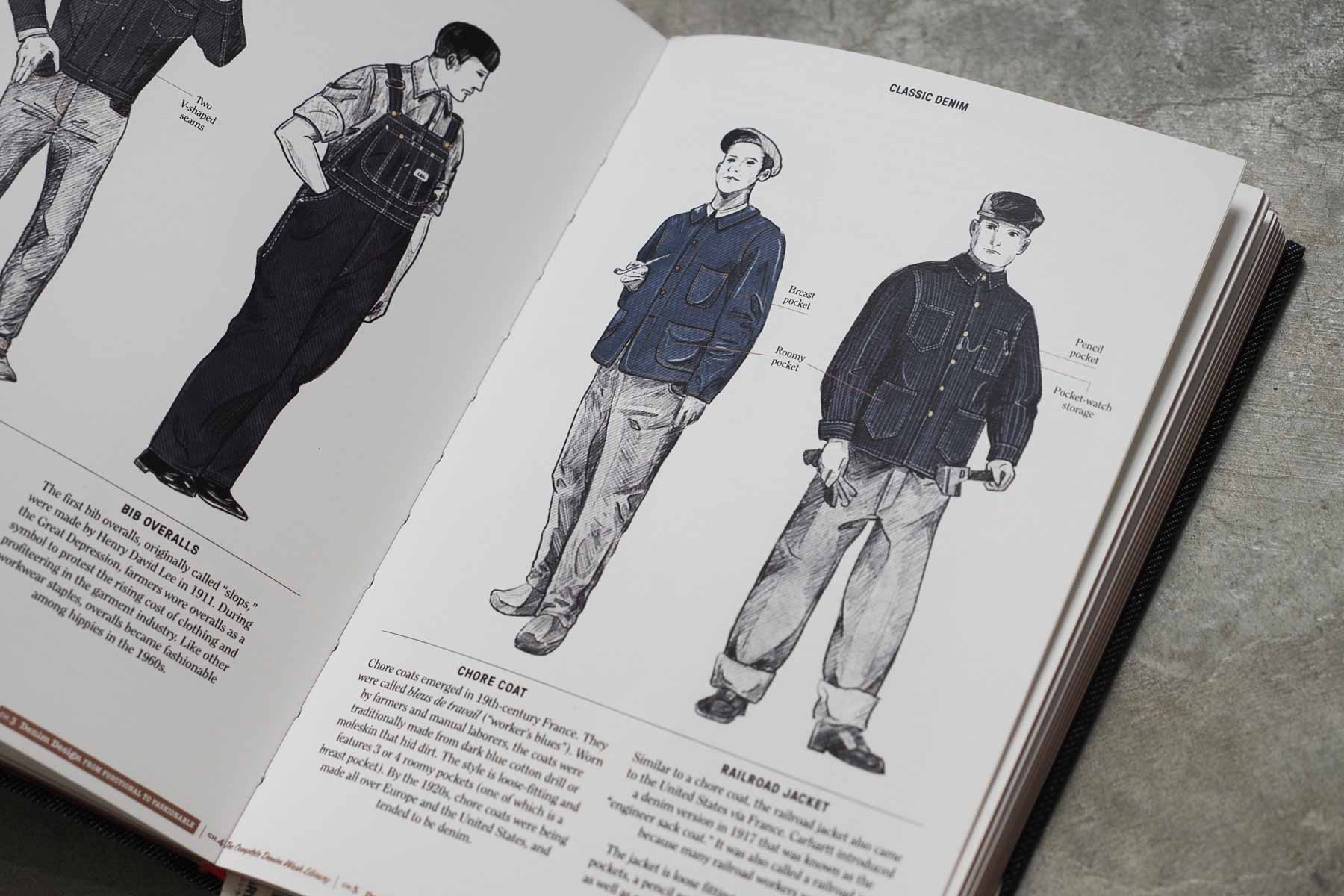
Image Courtesy: Fashionary
Hong Kong was an important center of denim production in the 1980s, factories in the region produced millions of jeans worldwide. With the significant advantage in the garment production industry, products at a more affordable price were offered to the market, and such edge was further enhanced by the most talented and skilled technicians and workers. The high pace production line and its promising product quality were difficult for other countries to match up with at that time. “This period of rapid growth and success in the denim manufacturing industry not only solidified the city’s reputation in the global market but also laid a solid foundation for its vibrant and diverse denim culture that exists even today.” As mainland China was one of the largest denim exporting markets, Hong Kong has taken advantage of such location to offer more affordable choices of denim products for everyday use.
Denim is flexible in terms of personal interpretation, which can simultaneously be utilitarian and stylish. “Denim has become a timeless staple in fashion and popular culture worldwide. Its versatility, durability, and comfort make it an attractive choice for everyday wear, from casual street-style looks to chic eveningwear. Denim is widely accepted and embraced by different ethnicities, age groups, and social classes, giving it lasting power in the fashion world.”
The committed Hong Kong denim community has curated an interesting and varied cultural scene of its own. Some are vintage denim collectors who like the history and stories that come with each item and would spend lots of effort in hunting for rare pieces. Joined by Penter are Japanese jeans lovers who are drawn to the beauty of details, craftsmanship and garments, which the Japanese see as an art form to create unique and stylish designs that reflect the culture and values of their nation. There are also raw jeans lovers in town who enjoy breaking in their pairs of unwashed or treated jeans and the immergence of unique fading and wearing patterns over time, with every mark having a story to tell.