According to the United Nations World Food Program, it's imperative to reshape the food supply chain as over 250 million people are experiencing food shortage due to Covid-19. So far, 19 countries have stopped exporting agricultural products to secure enough supply for the domestic market, intensifying worldwide food insecurity. However, not all stockpiled food has been distributed to people in need. The BBC reported that the US dairy sector was forced to discard 14 million litres of milk every day due to insufficient domestic demand.
The dilemma of the American dairy sector reveals the pain point of the agri-food industry — most food products are perishable, fast-moving and time-sensitive. Reshoring and localised production does not only help the retail industry to build up supply chain resilience, but also enables the food system to secure demand and shorten the distance between farmers and their markets.
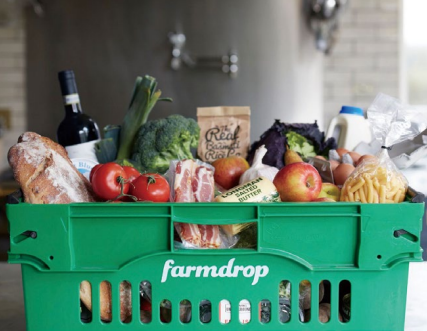
The London-based startup Farmdrop is an online grocer that connects end-customers to over 450 organic food producers across the country, empowering smallholding farmers to reach a larger customer group. The startup's next-day delivery policy also ensures that customers can enjoy the freshest produce from local farms.
Urban farming is another solution to secure the domestic food supply. Featured in the previous issue of Fabrica.Weave, Berlin-based startup Infarm helps grocery stores and restaurants set up indoor farms using controlled environments, allowing customers to buy vegetables freshly harvested instore. Likewise, Plenty, a food tech startup that serves the neighbourhoods of San Francisco, uses vertical farms to produce leafy greens, which consumes 99% less land and grows 350 times faster than the traditional farming method.
Like any innovations and new business models, the industry needs to form an ecosystem to expand the customer base. For instance, Gorilla (page 19) has collaborated with Infarm to provide customers with fresh vegetables. The online grocer also works with the German bakery chain Zeit Für Brot to sell baked goods made with locally grown grains, creating a resilient food system that does not solely rely on imported products.