- ABOUT US
- INVESTMENT FUND
- PARTNERSHIP SERVICES
- IMPACT INITIATIVES
-
SPACES
- HONG KONG
- Co-working space
- Event Space
- Prototyping Lab
- LONDON
- Co-working space
- Event Space
-
FABRICA X
- HONG KONG
- Campaign
- Events
- Online Store
- LONDON
- Exhibition
- Retail
- Subscribe

Did you know that methane is speeding up global warming much faster than you might expect?
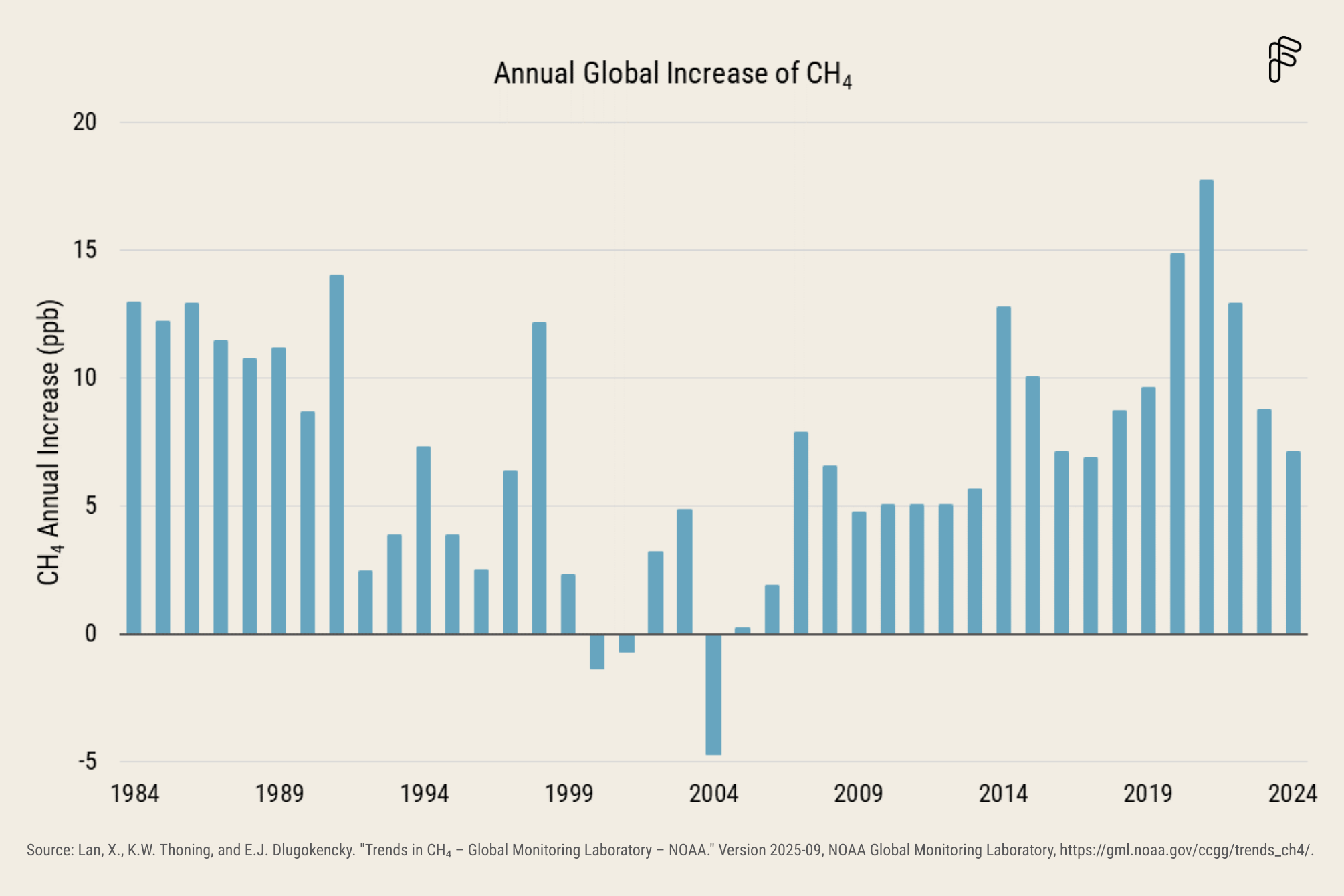
While we often talk about carbon dioxide (CO₂), methane has been quietly driving temperatures up around the world. In fact, methane has contributed approximately 0.5°C of the 1.2°C rise since pre-industrial times to the warming observed over the last decade, with 2023 recording surface temperatures 1.45 ± 0.12°C above historical averages.1 2
Here is the big picture: methane is approximately 80 times more potent as a greenhouse gas than CO₂, but it lasts only about 10 years in the atmosphere3, which means tackling methane can bring quick wins for the climate. Human activities now account for roughly 65% of all methane emissions. Of this, 40% is coming from agriculture (mainly livestock and rice), 36% from fossil fuels, and 17% from landfills and wastewater.4
Figure 1: Annual global increase of CH4. 5
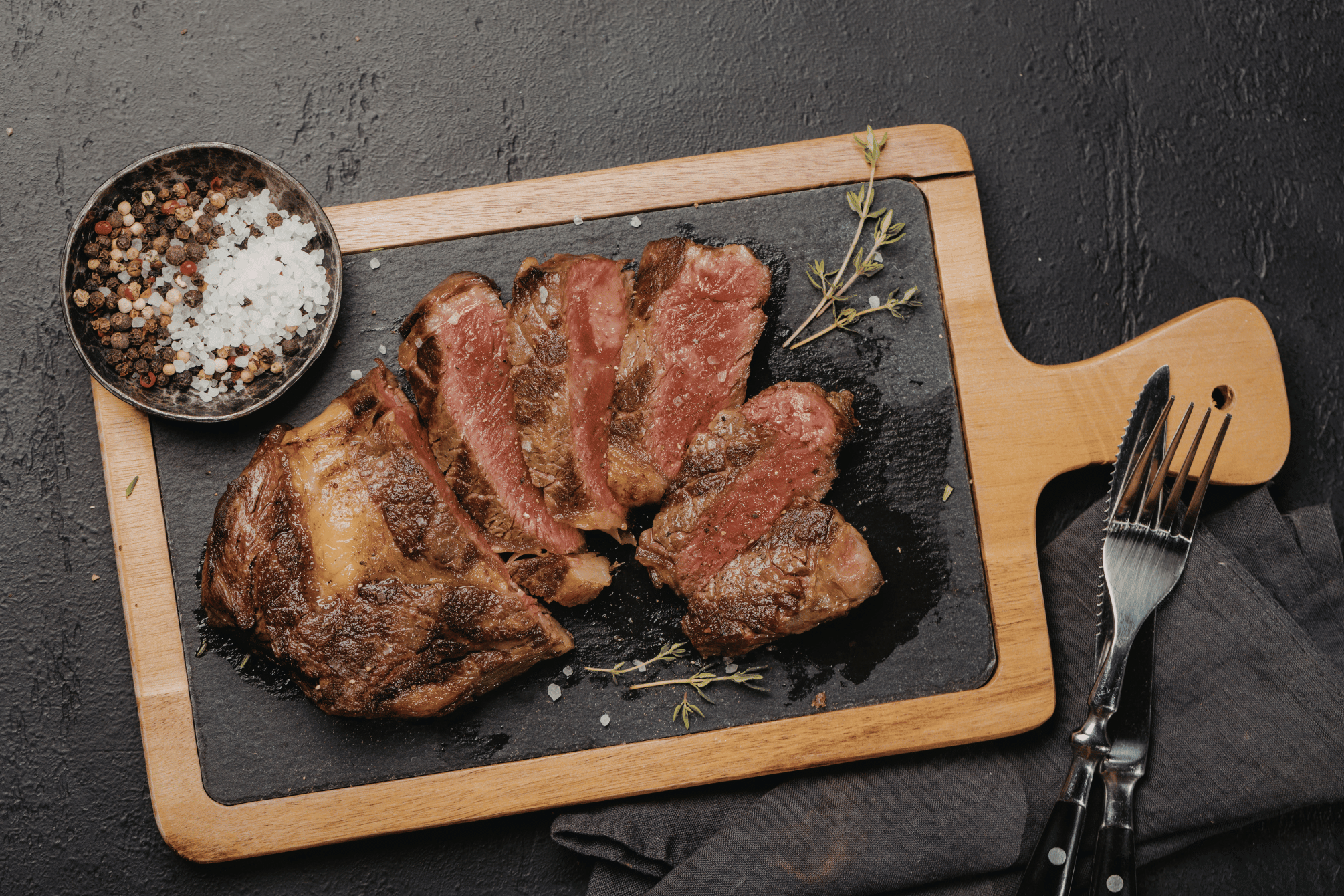
Global demand for meat rises, so does the methane footprint from livestock.
The rise in methane is strongly linked to growing consumption of animal products, particularly beef. Livestock, mainly cattle, are responsible for an estimated 120 million tonnes of methane emissions each year, which adds up to 11–17% of total global greenhouse gas emissions. Most livestock methane is generated through enteric fermentation, a digestive process that leads each cow to release up to 264 pounds of methane annually! The more people eat animal products, the faster livestock production will grow, leading to significant forest clearing for pasture and feed.6 7 8 Since 1961, cattle meat output has more than doubled, driven by changing diets and rising incomes. Diets rich in beef have the largest environmental footprints and are the main source of methane emissions from agriculture.9
Image: picture via Canva.com
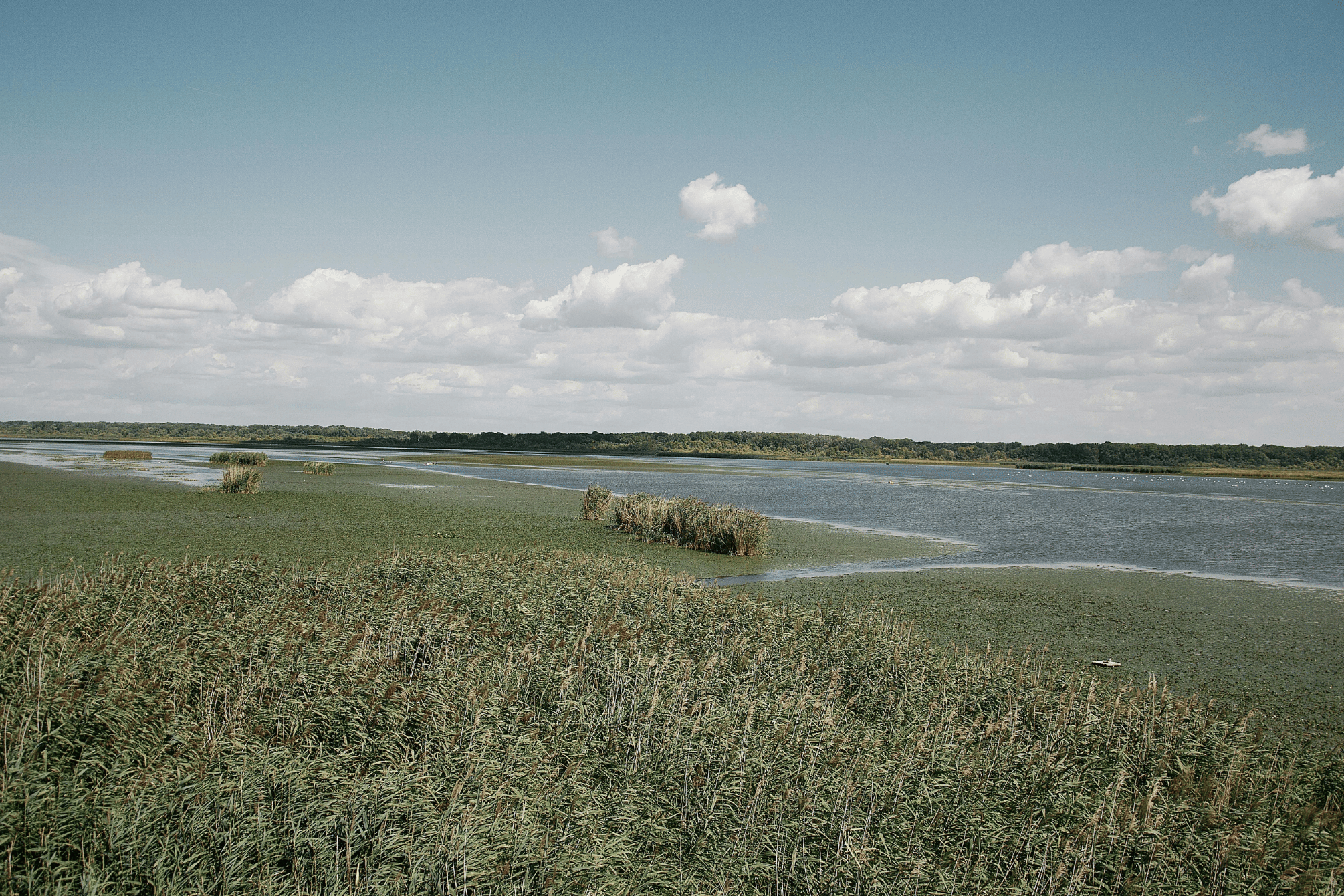
How forest and wetland dynamics could amplify methane’s risks?
Here is something surprising: recent scientific insights show that forests, particularly in the tropical regions, absorb between 25 and 50 million tonnes of methane annually, roughly matching global soils as atmospheric methane sinks.10 This newly recognised effect means deforestation can rapidly worsen methane accumulation, while reforestation and protection offer powerful mitigation options. Unlike stable soils, forest areas can expand or shrink. When forests are continuously cleared for farming or development, it can speed up methane’s climate impact much more than we previously estimate. At the same time, it seems like we are seeing a new, elevated plateau in wetland methane release. That creates potential feedback loops that undermine climate goals.11
Image: picture via Canva.com
Here is what we can do - support both sector-wide change and change of individual diet to accelerate scalable impact.
Acting on methane now is giving our climate a shock absorber - helping slow things down while we tackle bigger issues. The Global Methane Pledge, now signed by over 150 countries, aims for a 30% cut in human-caused methane emissions by 2030 (from 2020 levels) as a vital step to buy time for deeper CO₂ reductions. Individually, replacing beef and other methane-intensive foods with plant-based proteins can make a difference, reducing greenhouse gases by more than tenfold. Diets such as vegan, vegetarian, and Mediterranean patterns deliver the largest benefits, with median reductions in emissions, land use, and water consumption of -45%, -28%, and -18% respectively, alongside substantial health improvements. Even small changes, like having a few meat-free meals each week, can produce measurable benefits for the planet.12
Figure 2: Relative difference in GHG emissions (kg CO2eq/capita/year) between current average diets and sustainable dietary patterns, after excluding studies that did not meet quality criteria. 13
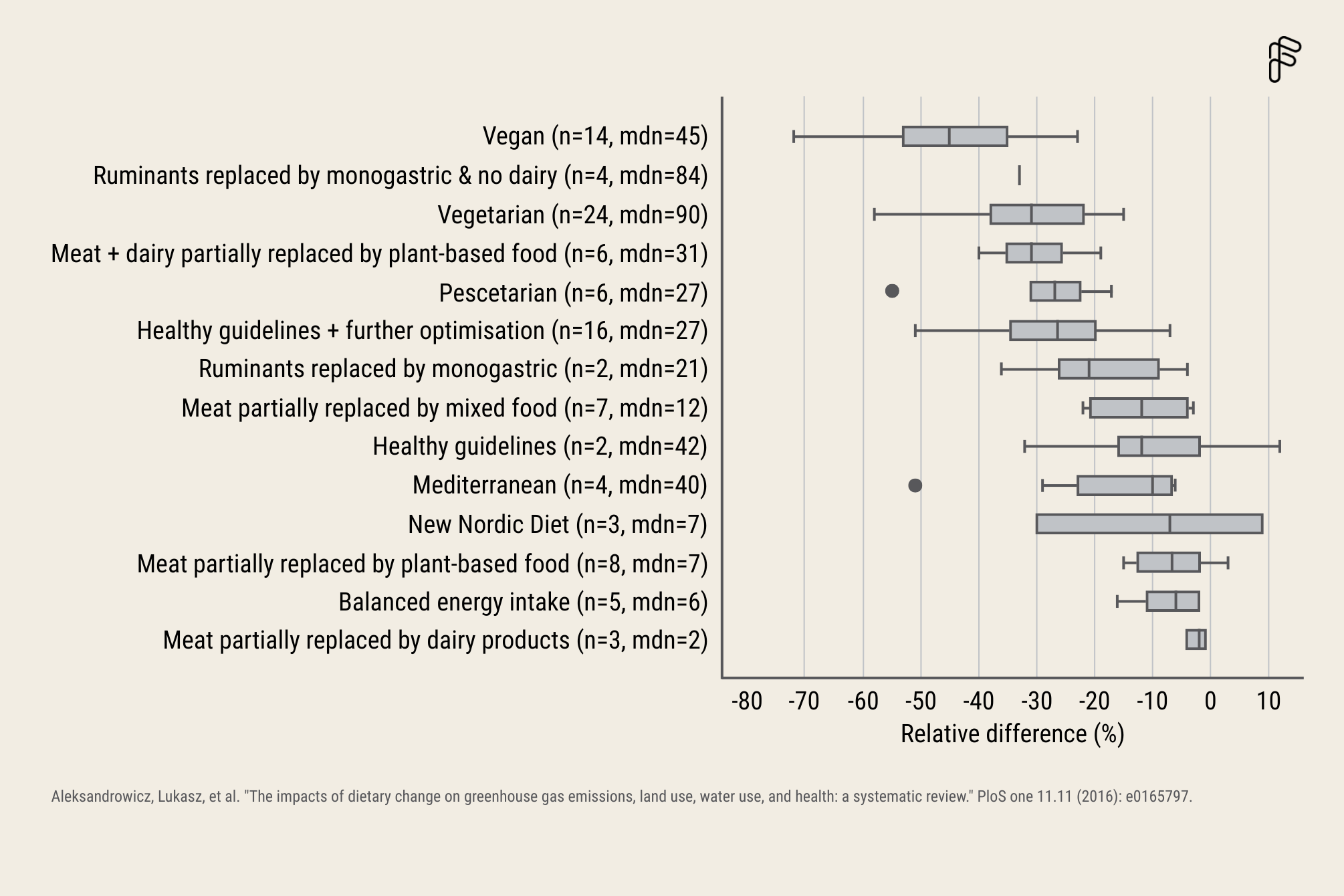
Image: picture via Canva.com