- ABOUT US
- INVESTMENT FUND
- PARTNERSHIP SERVICES
- IMPACT INITIATIVES
-
SPACES
- HONG KONG
- Co-working space
- Event Space
- Prototyping Lab
- LONDON
- Co-working space
- Event Space
-
FABRICA X
- HONG KONG
- Campaign
- Events
- Online Store
- LONDON
- Exhibition
- Retail
- Subscribe
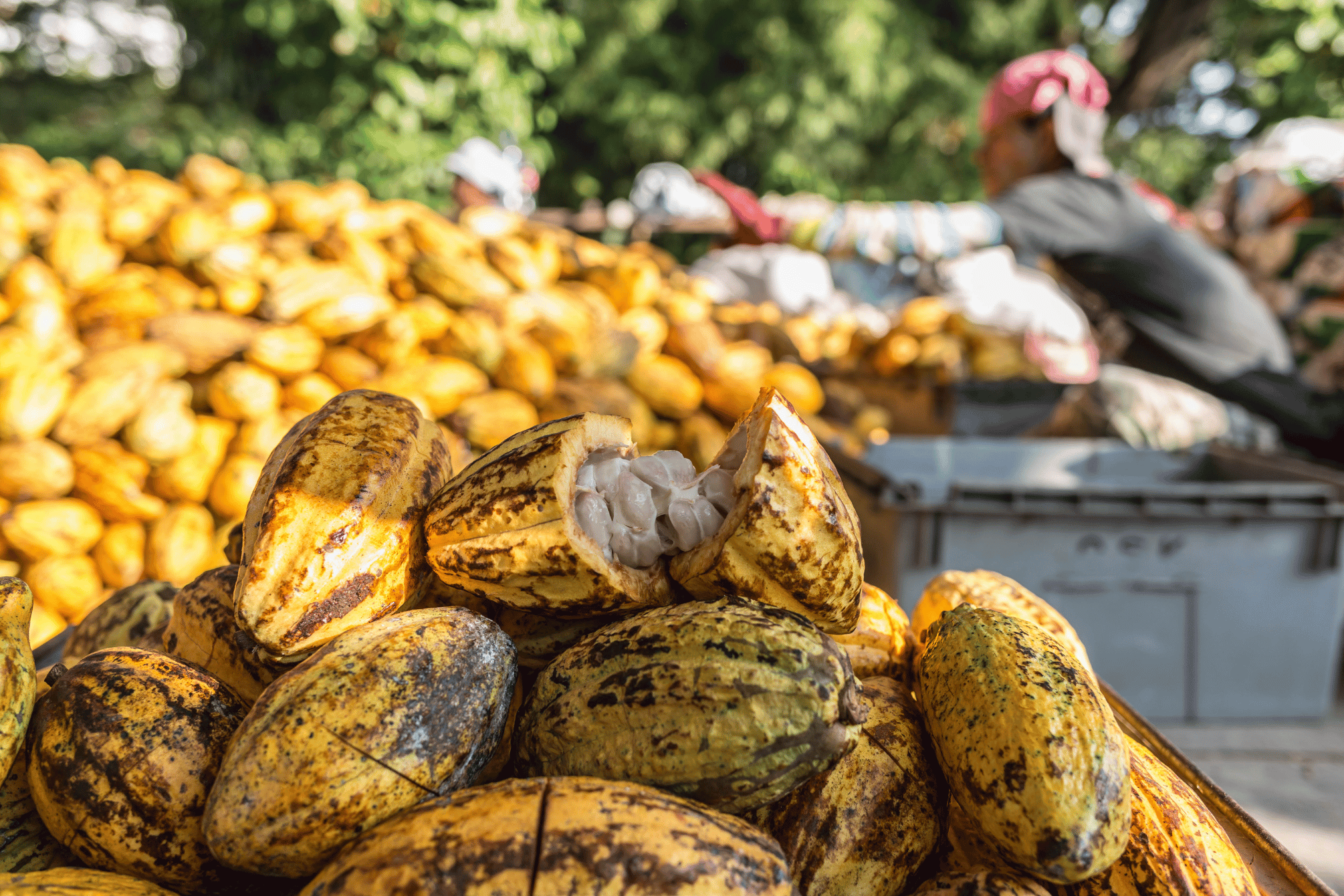
Cocoa is the fundamental ingredient for chocolate, yet it only thrives in a unique region known as the "Cacao Belt," which spans the Equator between 0 to 20 degrees north and south. This region's abundant heat and rainfall create the perfect conditions for cocoa growth. It takes about 5-7 years for a cocoa plant to bear its first fruits and then another 6-12 months for those fruits (known as pods) to mature and be ready for harvest.1 Then, the pods undergo a process of fermentation, drying, roasting, and transforms into various ingredients like cocoa liquor, cocoa butter, and cocoa powder. These ingredients are the backbone of the chocolate industry and are used to create the wide variety of chocolates we all love.
In part 1 and part 2 of our cocoa blog series, we explored the profound impact of climate change on cocoa yields, affecting farmers’ livelihoods and causing historic shortages. In facing these challenges, farmers, corporations, governments, and NGOs have embraced various climate adaptation solutions, such as smart agroforestry and breeding programs to improve yields. However, with the relentless growth in cocoa demand and worsening shortages, the industry is compelled to seek alternative ingredients to make chocolate. This pressing need has spurred a surge in innovative and sustainable solutions from startups worldwide. In this final installment of our cocoa series, we delve into the different types of innovations and examine their role in the future of cocoa.
Image: picture via Canva.com
Carob – the first-gen substitute for cocoa.
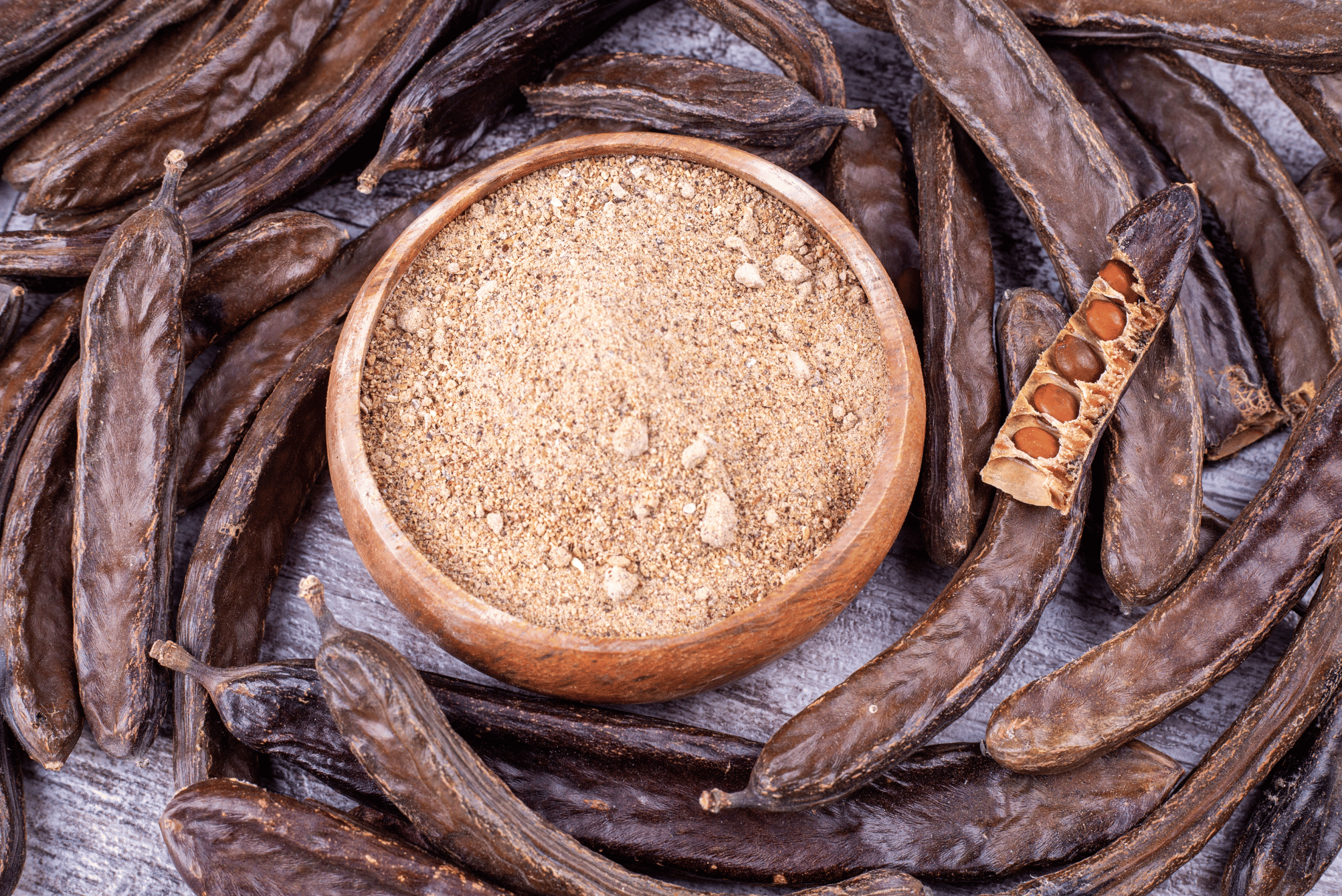
Carob, often called the "first-gen substitute of cocoa," has historically gained recognition as a viable cocoa alternative in the chocolate industry. Derived from the pods of the carob tree, carob has a rich history as a natural sweetener and thickening agent. Since the 1970s, it has been considered a sustainable alternative to cocoa, thriving in arid climates and requiring less water to grow.2 Currently, major carob-producing countries are Spain, Italy, and Portugal.3
Carob offers several nutritional benefits: it is naturally low in fat and contains no caffeine or theobromine, which are present in cocoa.4 Additionally, carob is rich in fibre, calcium, and antioxidants, making it a potentially healthier alternative for those seeking a guilt-free indulgence. Because of its nutritional benefits, carob powder, obtained by grinding the dried and roasted carob pods, is commonly employed as a direct replacement for cocoa powder. It imparts a similar chocolate-like flavour and is used in various carob-based products such as chocolates, truffles, and baked goods.
While carob offers a promising substitute for cocoa, it is important to note that it does possess distinct flavour and texture. Some consumers may find the taste of carob different from cocoa, with a slightly sweeter and nuttier profile.5 However, this uniqueness provides an opportunity for startups such as WNWN and Foreverland to explore creative flavour combinations with other non-cocoa ingredients. With ongoing research, carob has the potential to carve its own niche in the chocolate market as a delicious and sustainable alternative to traditional cocoa-based treats.
Image: picture via Canva.com
Emerging cocoa substitutes alleviate supply chain pressures and reduce environmental impact.
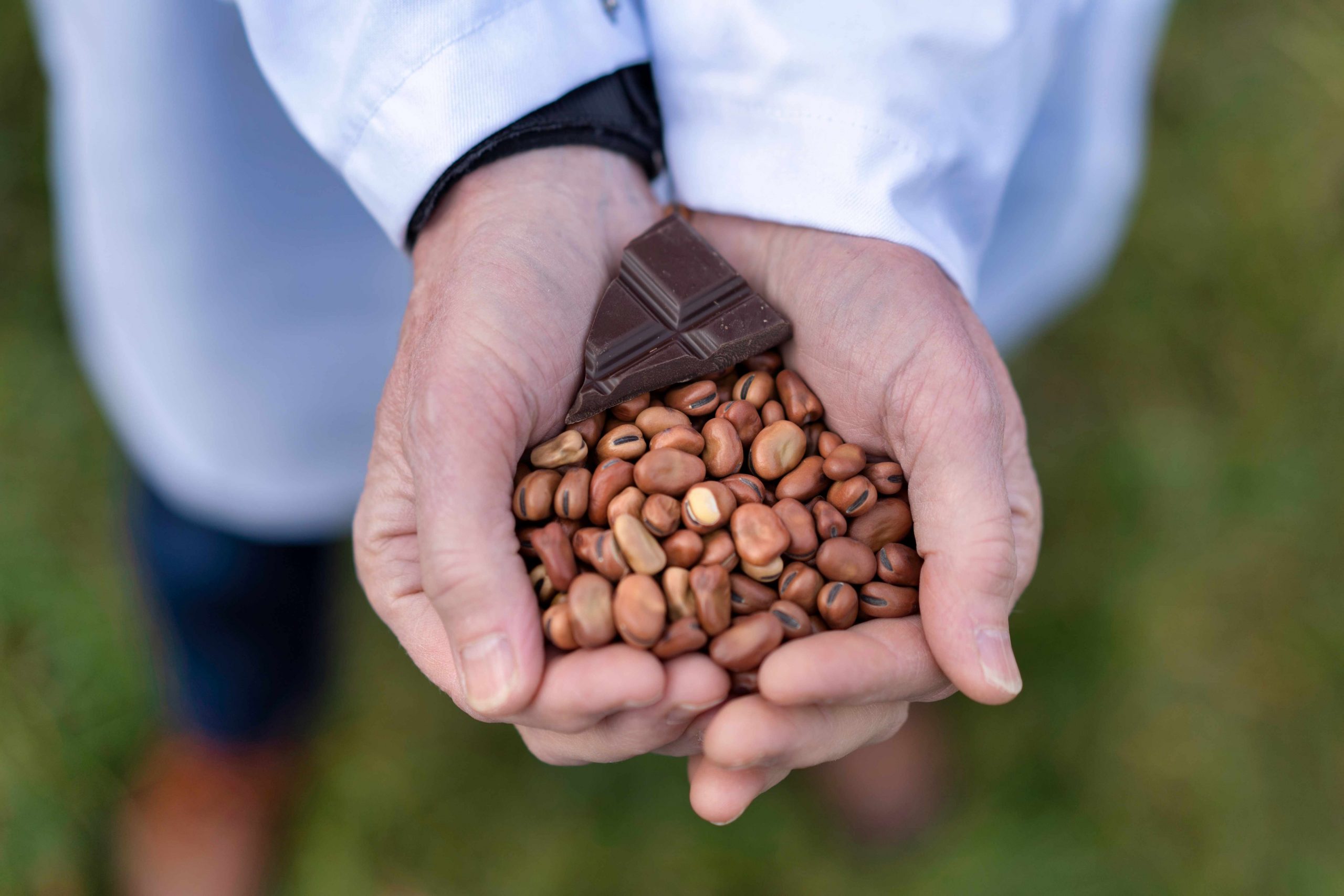
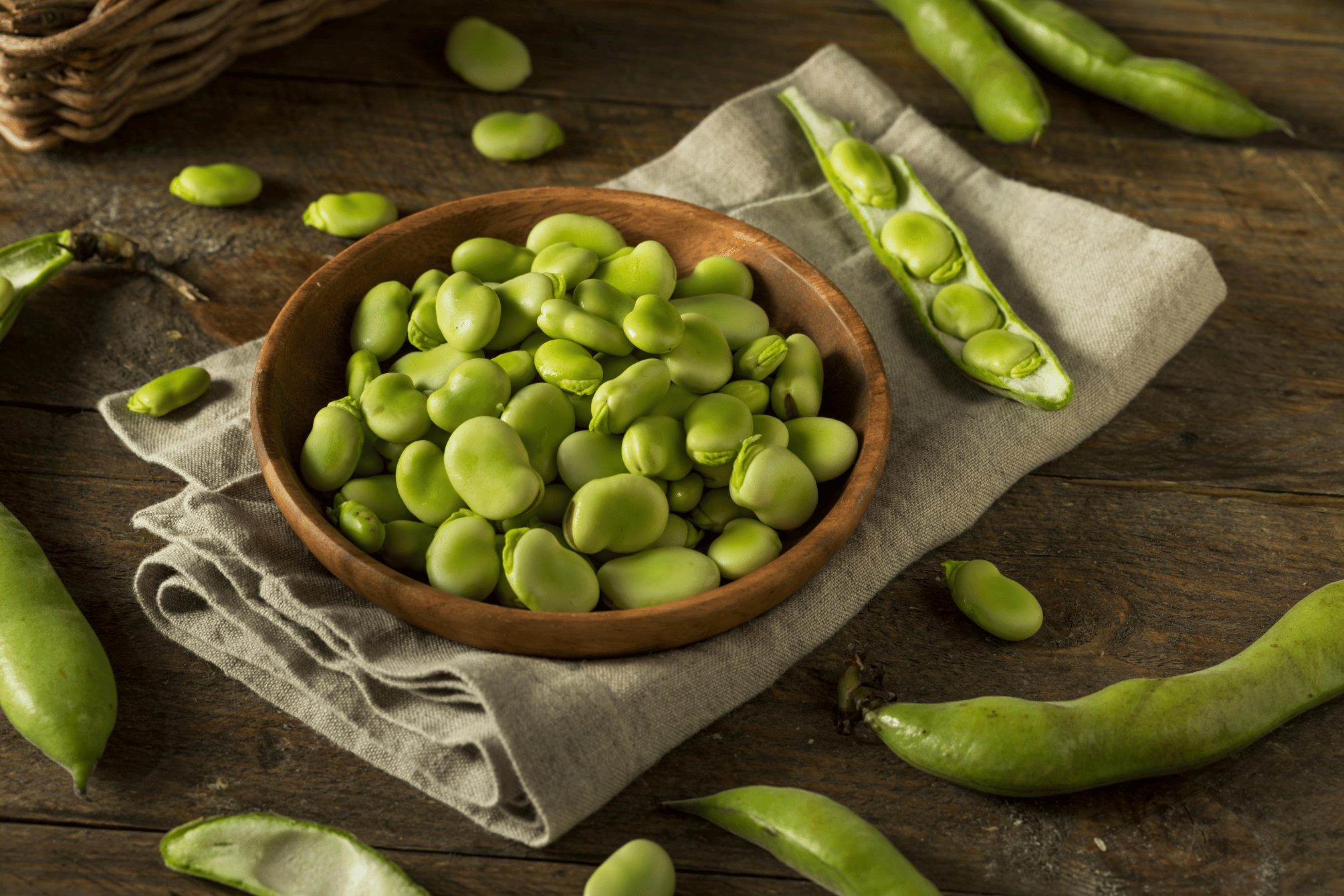
Besides carob, a number of alternative ingredients are emerging as valuable substitutes in helping the chocolate industry tackle its shortage challenges. Sunflower seeds, grape seeds, oats, barley, and fava beans are among these innovative ingredients that offer promising solutions. Startups like Voyage Foods, Nukoko and Planet A Foods employ various roasting and microbial fermentation processes to enhance and mimic the rich flavour notes and aroma characteristic of chocolate.
More details on The Mills Fabrica’s recent investment in UK-based startup Nukoko here.
One key advantage of these alternative ingredients is their positive environmental impact. For instance, fava beans have a lower carbon intensity compared to cocoa beans, with estimates of 0.23-0.58kg CO2e per kg of fava beans compared to 1.47kg CO2e for that of cocoa beans stemming from significant deforestation activities associated with cocoa cultivation.6,7 When it comes to water footprint, barley, oats, fava beans, and sunflower require between 1,000-3,000m3 of water per ton of crop.8,9,10 In contrast, cocoa production has been associated with a global average water footprint of 18,876m3/ton.11 These sustainability advantages are especially crucial in the face of climate change and increasing water scarcity. By incorporating these alternative ingredients, the chocolate industry can look to mitigate the ecological footprint of its supply chain.
Many startups exploring alternative chocolate ingredients aim to provide a 1:1 substitute for cocoa in terms of flavour and texture, while also addressing sustainability and shortage concerns. However, startups must prioritize recreating the sensory experience that chocolate enthusiasts crave to ensure adaptability in the chocolate supply chain. By meticulously refining their techniques and formulations, these innovations strive to create chocolate products that not only deliver on taste but also align with the growing consumer demand for eco-conscious choices.
Image: picture via Canva.com
Plant cell culture: next-gen biotechnologies enable consistent cocoa production without the tree.
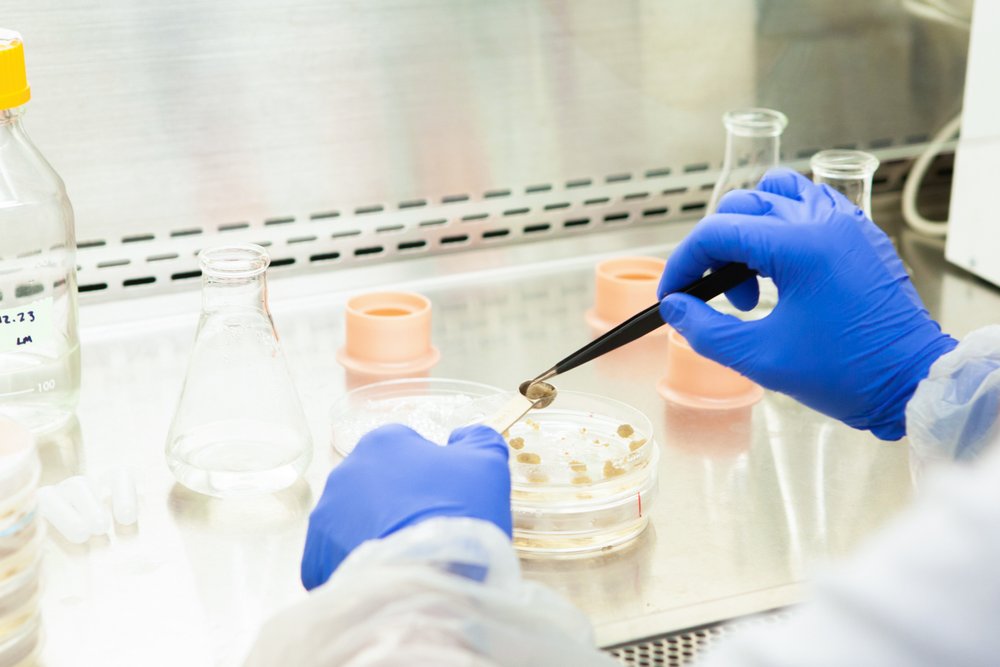
Plant cell culture is a recent technique involving cultivating cocoa plant cells in a controlled environment, typically in a tank (called a bioreactor) containing a solution of nutrients such as sugars, vitamins, and growth hormones. When mature, the plant cells are harvested from the tank and further processed by fermentation and roasting to obtain ingredients like cocoa butter, cocoa powder, or even high-value compounds that are typically hard to extract.12
This technology enables startups to produce bioidentical chocolate ingredients without relying on cocoa trees, overcoming geographical limitations and reducing the need for extensive agricultural land.13 Unlike cocoa trees, which require specific tropical climates and soil conditions, plant cell culture can be conducted anywhere in a controlled environment, making chocolate ingredient production more accessible and less dependent on regions in the “Cacao Belt.”
Plant cell culture also offers scientists opportunities for genetic modification and improving their growth requirements. By manipulating the genetic makeup of plant cells and optimizing their growth medium (mix of sugars and plant hormones), desired traits like improved flavour profiles and faster replication time can be enhanced. This level of control allows for ingredients to be customized towards specific quality standards and consumer preferences, while enabling a more efficient and consistent supply of chocolate ingredients.
Although plant cell culture for chocolate ingredient production is still in its early stages, significant progress in this technology has been made in the pharmaceutical (e.g. paclitaxel drug for cancer) and nutraceutical (e.g. ginseng extract) industries.14,15 Plant cell culture chocolate startups such as California Cultured, Celleste Bio, and Food Brewer continue to refine their technologies and processes to reduce costs when scaling up production and ensuring regulatory compliance. Nonetheless, as technology advances and knowledge in plant cell culture of cocoa expands, it holds great promise to serve as a drop-in replacement for ingredients fundamental to the chocolate industry.
Image credit: California Cultured
The pace of innovation in alternative cocoa will only increase, and industry players are beginning to take note.
Emerging startups developing novel cocoa substitutes are spearheading a transformative shift towards a more sustainable and resilient chocolate industry. However, this shift cannot rely on startups alone, and investors are increasingly deploying capital into new innovations, bolstered by global trends such as a growing consumer demand and increasing regulatory tailwinds pushing for more sustainable and deforestation-free food choices.
Outside of investors, however, industry incumbents are also beginning to get involved as a vital part to the adoption of alternative cocoa ingredients. Major chocolate manufacturers have begun to actively explore collaborations: for instance, Lindt launched a plant-based chocolate with Planet A Foods’ ChoViva ingredients, California Cultured signed a co-branded partnership with Meiji to develop cell-cultured cocoa products, and Voyage Foods established a partnership with major cocoa trader and processor Cargill for its cocoa-free confectionary and spreads.16,17,18
In the cocoa industry, startups will play a key role to push for innovation in the supply chain, and these partnerships will be vital for true disruption to occur. Given ongoing threats to its core ingredients, the chocolate industry is poised to embrace a future where sustainability and resilience are at the forefront of its practices, ensuring a delicious treat that is both environmentally friendly and socially responsible.
Image credit: Nukoko