全球咖啡永續觀:咖啡需求背後的環境與社會影響

 
撰稿:
Philippe LI – 可持續發展 
Ryan LAI
– 可持續發展 

圖片來源:
Canva.com 

環球咖啡潮流盛行,卻漸漸在產業形成惡性循環,危害供應鏈和環境。

圖片來源:Canva.com 

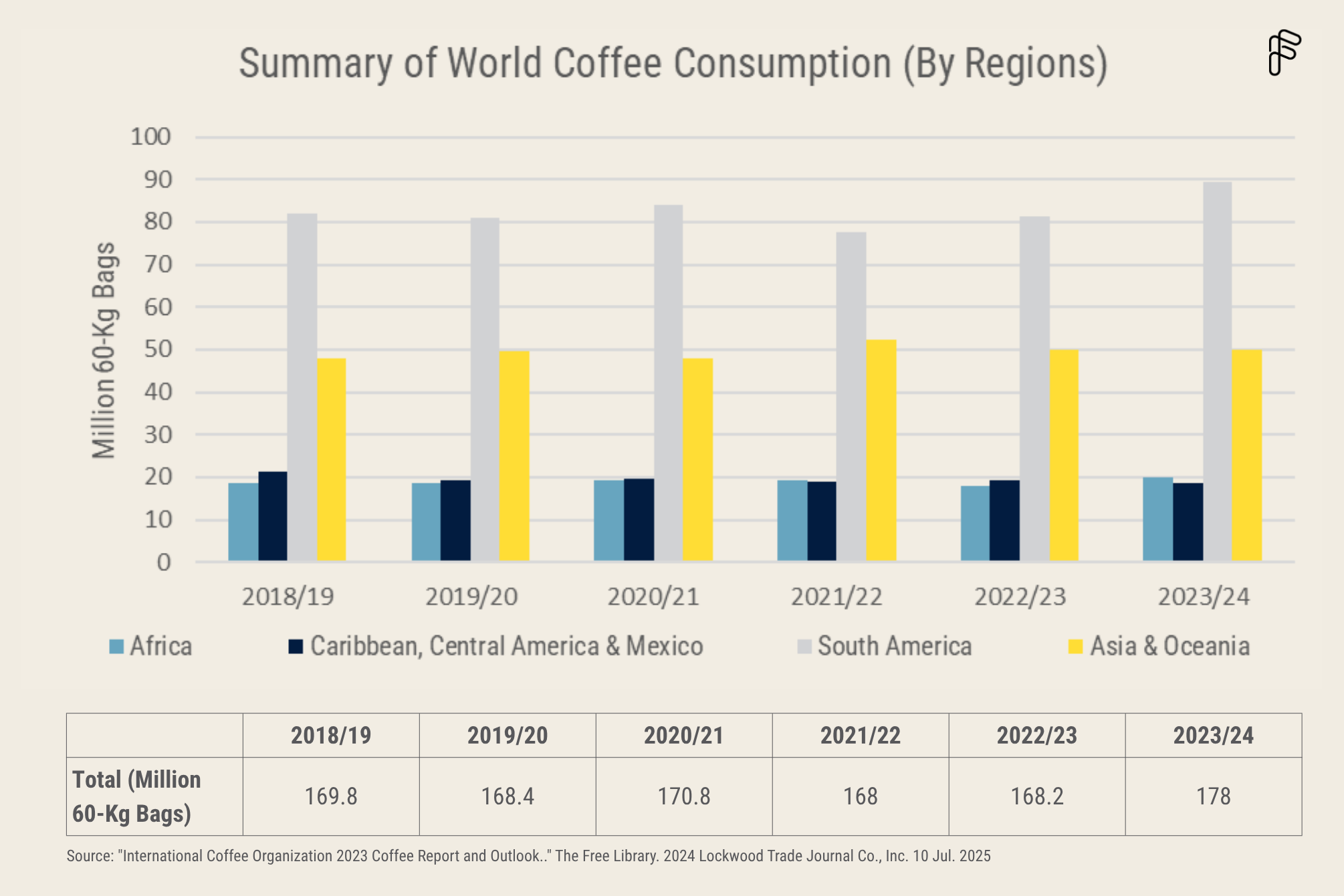
試想像一下,全球每日飲用超過22.5億杯咖啡1 —— 數字相當驚人,而且大眾對咖啡的狂熱程度仍然與日俱增,尤其是在中國等新興市場﹔其中,該國的咖啡飲用量自2010年起每年增長達21%2。不斷增加的不僅是大眾對咖啡的需求,還有這股需求對咖啡供應鏈和環境造成的壓力。加上氣候變化,情況將更為嚴峻。

專家預計,全球咖啡飲用量到2050年將急升三倍。然而,要滿足如此龐大的需求絕非易事4。除收成不穩定外,全球咖啡存貨比率下降,亦令咖啡產量更加難以預測,加劇供應相關的風險。雖然咖啡膠囊、即溶咖啡等產品,讓大眾可以用更少材料,更快捷、有效、方便地沖泡一杯咖啡;但當咖啡越唾手可得,我們越喝得多,反而抵銷了這些產品原有的環境效益。5


圖一 世界各地咖啡飲用量(2018-2023) 3
種植咖啡留下龐大的環境足跡。加上氣候變化,令世界各地對這項難題更加束手無策。

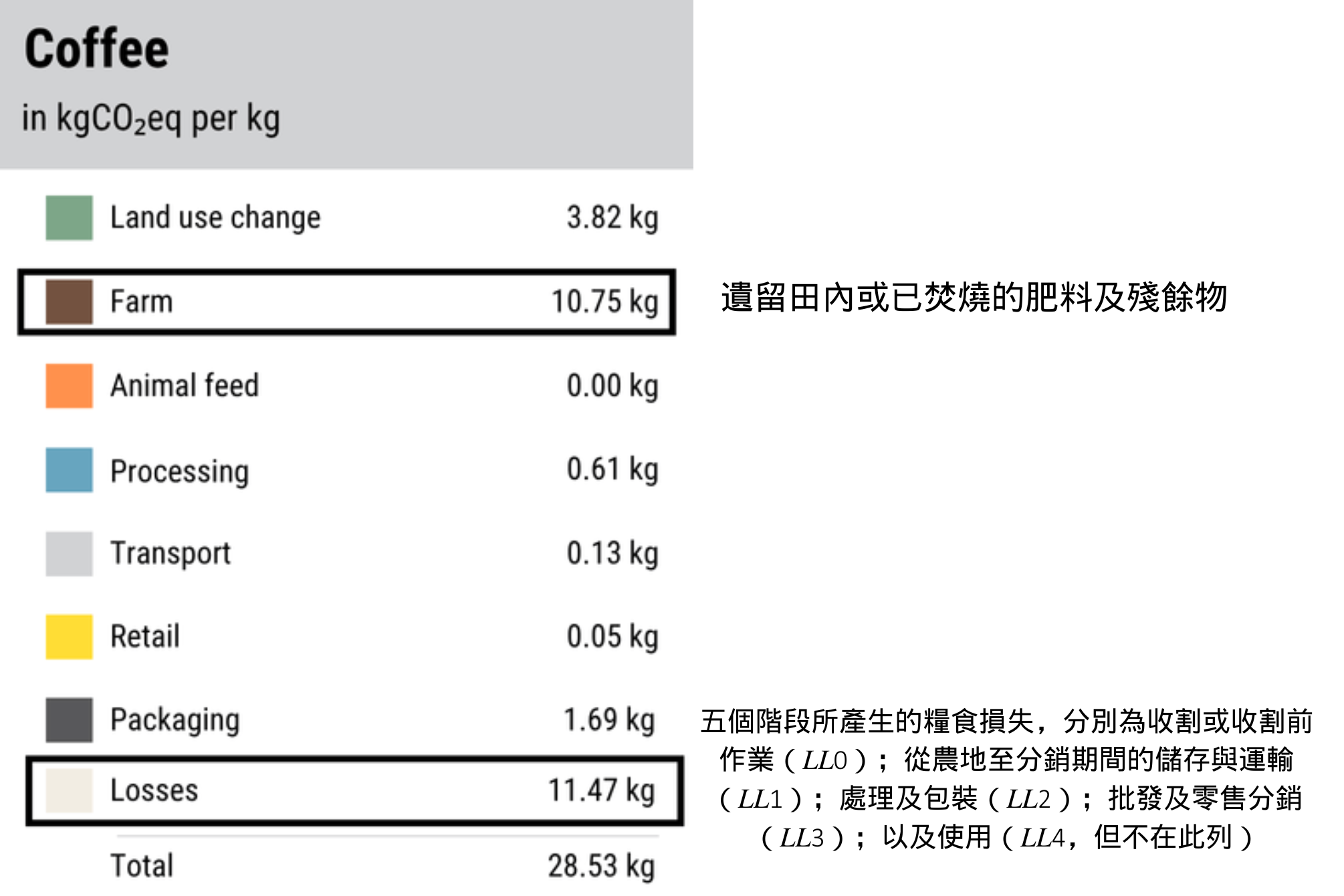
你知道生產一公斤咖啡所產生的溫室氣體,竟然可與資源消耗量極高的牛肉或養殖蝦肉相若嗎6 ?而且,相比起豬肉或家禽等常見蛋白質來源,種植咖啡需要更多土地7 。此外,擴大種植咖啡的土地亦令主要生產國砍伐更多森林;以洪都拉斯為例,種植咖啡的土地佔該國於2017年所砍伐的森林50%,大量溫室氣體因而釋出,危害當地的生物多樣性。8 

圖二 咖啡的溫室氣體排放分項數字9

氣溫上升亦令兩個影響咖啡農作物收成的主要威脅 — 咖啡葉鏽病(CLR)和咖啡果小蠹(CBB) — 加速擴散。咖啡葉鏽病令危地馬拉的小規模農戶失去高達71%的收成10,與此同時,咖啡果小蠹蟲害已蔓延至高海拔地區,令原本能於這些地區安全成長的阿拉比卡豆受更多天敵11所威脅。預計到了2050年,埃塞俄比亞、墨西哥及肯亞等國種植咖啡的土地有90%將不再適合種植咖啡,屆時農夫需要另覓土地耕種,而這些土地往往來自森林地區,意味著更多森林將會被砍伐,進一步威脅生態環境,將地球推向極限邊緣12 13。

價格波動和咖啡樹生長速度緩慢,令農民飽受精神煎熬,而產業內的勞工虐待問題仍然嚴重。 

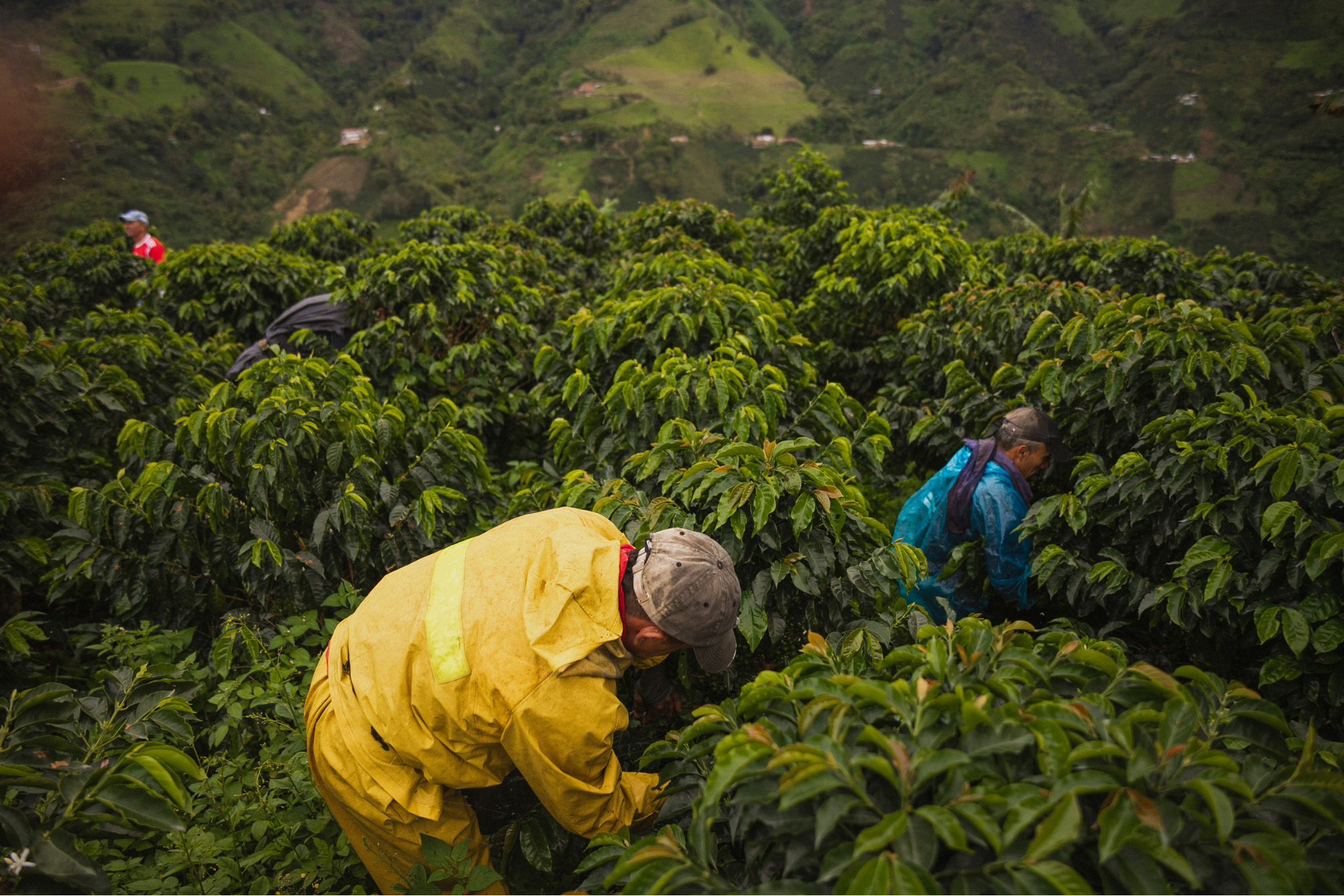
你有否想過咖啡由種豆變成杯中物,過程花耗多少人力物力?對咖啡農來說,這是一個漫長而艱辛的過程。咖啡樹一般需時四年才能收成,所以農民要長年面對經濟不確定性和價格浮動。越南有研究指出,這些壓力令農民更易患上抑鬱症、影響睡眠質素和出現酗酒問題,揭示社會為不穩定的咖啡市場付出的代價14。不幸的是,這些問題只屬冰山一角。在2022年,巴西一個咖啡農場內有159名年青工人獲救,脫離奴隸般的工作環境15,其中年紀最小的只有15歲。即使在獲道德認證的農場中,依然發現虐待問題,情況令人震驚之餘,更暴露整個咖啡產業內勞工權益保障的嚴重失衡。 

圖片來源:Canva.com 
業內急需創新的方案,穩定供應的同時,減低咖啡對環境造成的影響 

研究指出,若從種植、運輸和飲用方式等各個咖啡價值鏈中的環節作出改變,碳排放已能降低近77%16,可見改善供應鏈效能和減低損失攸關重要。此外,環境足跡較小的替代咖啡產品亦能有效降低我們對傳統咖啡種植產業的依賴。 

未來的咖啡產業需要各種科學為本的智慧方案,以一併解決行業面臨的環境、社會以及經濟難題。融入創新和可持續發展思維,有助咖啡業打破需求增加與氣候影響的惡性循環,在確保行業蓬勃發展的同時,保護地球和賴以為生的群體。 

1 Gunter, Marc J., et al. "Coffee drinking and mortality in 10 European countries: a multinational cohort study." Annals of internal medicine 167.4 (2017): 236-247.
2 Global Coffee Report. "The Future of the Chinese Coffee Market." Global Coffee Report, July/August 2024, www.gcrmag.com/the-future-of-the-chinese-coffee-market/. Accessed 26 June 2025.
3 International Coffee Organization. Coffee Report and Outlook, December 2023. 2023, www.icocoffee.org/documents/cy2023-24/Coffee_Report_and_Outlook_December_2023_ICO.pdf.
4 Maslin, Mark, and Carmen Nab. "Coffee: Here's the Carbon Cost of Your Daily Cup – and How to Make It Climate-Friendly." The Conversation, 4 Jan. 2021, theconversation.com/coffee-heres-the-carbon-cost-of-your-daily-cup-and-how-to-make-it-climate-friendly-152629. Accessed 26 June 2025.
5 López, María, and Carlos Rodríguez. "Here's How Your Cup of Coffee Contributes to Climate Change." The Conversation, 5 Jan. 2023, theconversation.com/heres-how-your-cup-of-coffee-contributes-to-climate-change-196648. Accessed 26 June 2025.
6 Our World in Data. "Food: Greenhouse Gas Emissions across the Supply Chain." 2023, ourworldindata.org/grapher/food-emissions-supply-chain. Accessed 26 June 2025.
7 Our World in Data. "Land Use per Kilogram of Food Product." 2020, ourworldindata.org/grapher/land-use-per-kg-poore. Accessed 26 June 2025.
8 Valade, Aude. How the Coffee Industry Is Dealing with Climate Change. CIRAD, 2023. Climate Chance, www.climate-chance.org/wp-content/uploads/2023/03/bs2022_en_utcatf_tendance_cafe.pdf. Accessed 26 June 2025.
9 Our World in Data. "Food: Greenhouse Gas Emissions across the Supply Chain." 2023, ourworldindata.org/grapher/food-emissions-supply-chain. Accessed 26 June 2025.
10 Dupre, Samuel I., Celia A. Harvey, and Margaret B. Holland. "The impact of coffee leaf rust on migration by smallholder coffee farmers in Guatemala." World Development 156 (2022): 105918.
11 Jaramillo, Juliana, et al. "Some like it hot: the influence and implications of climate change on coffee berry borer (Hypothenemus hampei) and coffee production in East Africa." PloS one 6.9 (2011): e24528.
12 Pham, Yen, et al. "The impact of climate change and variability on coffee production: a systematic review." Climatic Change 156 (2019): 609-630.
13 Conservation International. Coffee in the 21st Century: Will Climate Change and Increased Demand Lead to New Deforestation? 2023, www.thegef.org/sites/default/files/publications/CI-Report-Coffee-in-the-21st-Century.pdf. Accessed 26 June 2025.
14 Singhal, Saurabh, and Finn Tarp. "Commodity price volatility and the psychological well‐being of farmers." American Journal of Agricultural Economics 107.1 (2025): 269-289.
15 Repórter Brasil. Behind Starbucks Coffee: Brazil’s Seasonal Harvest Labourers Report Routine of Low Wages, Cold Food and Even Slave Labour on Farms That Supply the World’s Most Famous Coffee Shop Chain. October 2023, www.reporterbrasil.org.br/wp-content/uploads/2023/11/monitor_starbucks_coffee_slave_labor_ENG.pdf. Accessed 26 June 2025.
16 Nab, Carmen, and Mark Maslin. "Life cycle assessment synthesis of the carbon footprint of Arabica coffee: Case study of Brazil and Vietnam conventional and sustainable coffee production and export to the United Kingdom." Geo: Geography and Environment 7.2 (2020): e00096.